Tyler Weir
Co-Founder
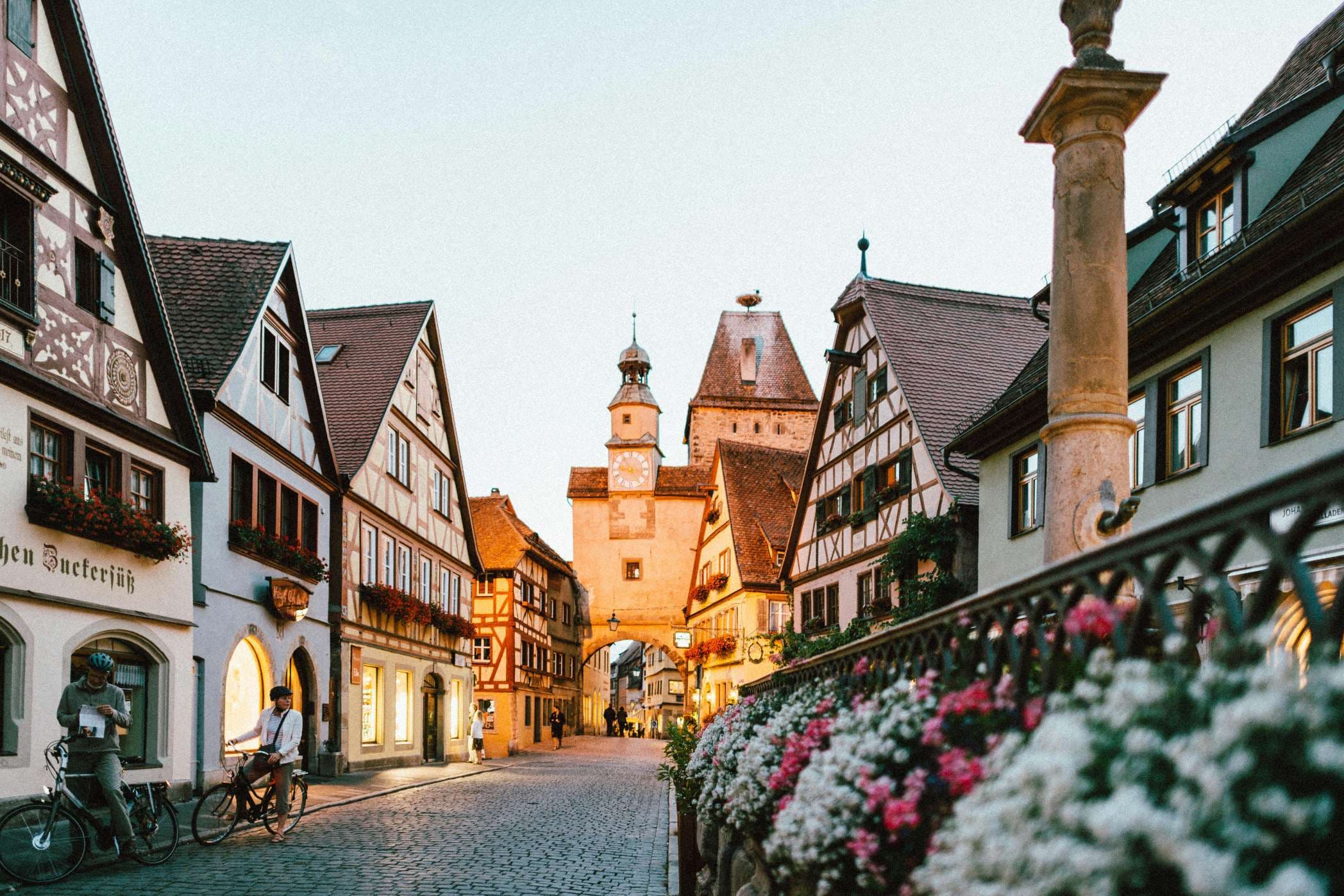
A boutique hotel competes with chains on a budget a fraction of theirs, but with one real advantage: an actual identity. A Marriott property manages a brand voice written for hundreds of hotels; a 12-room boutique property can post the actual view from room 4, the actual bartender's name, the actual reason the building matters. This guide covers how to use that advantage on social media — platform by platform, and specifically the boutique-vs-chain positioning, event and wedding marketing, and reputation management that generic hotel-marketing advice tends to skip.
Key Takeaways
- The chains' scale is a weakness you can target directly: specificity, a real point of view, and a real building history are things a corporate account structurally can't post.
- TikTok and Instagram Reels now drive a meaningful share of independent-hotel discovery, but the format that works is a walkthrough or a staff moment, not a polished ad.
- Reputation management matters more for a boutique property than a chain, because a single bad review isn't diluted across hundreds of locations — it's a much larger share of your total review count.
Boutique Hotels vs. Chains: Playing the Game You Can Win
Don't try to out-produce a chain's marketing budget or match its posting volume — you'll lose that game every time. Instead, lean into what a chain structurally cannot do: post the specific, the personal, and the local. A chain's social account has to sound like every other property in the portfolio; yours doesn't have to sound like anyone else.
Concretely, that means naming things. Name the building's history if it has one (a converted mill, a 1920s inn, a family home). Name your staff — the person who's been the front-desk manager for eight years is a better story than any stock photo of a lobby. Name the neighborhood specifically rather than the city generally: "two blocks from the farmers market on Saturdays" beats "in the heart of downtown" for both engagement and search.
The chains also can't easily change what they post based on a single property's local context. You can post about a local festival happening that weekend, a restaurant that just opened next door, or a hiking trail that's especially good right now — content that's true for exactly your property and nobody else's.
Building a Social Media Strategy for an Independent Property
A boutique hotel's content strategy should split roughly three ways: the property itself (rooms, design, amenities), the experience of staying there (what a guest actually does during a visit), and the neighborhood or city around it. Independent hotels that lean too heavily on the first category end up looking like a real estate listing; the second and third categories are what make people want to be a guest rather than just see the room.
A practical starting cadence for a small marketing team or an owner-operator: three to five posts a week across your primary platform (Instagram, for most boutique properties), with a lighter presence on one or two others. Consistency matters more than volume — a hotel posting three times a week for a year builds more audience trust than one that posts daily for a month and goes quiet.
Assign ownership. The properties that keep a social presence alive long-term usually have one person clearly responsible for it, even if it's not their whole job — social media that's "everyone's job" tends to become no one's.
Set expectations with whoever owns it around what success looks like before you start, and revisit those expectations after a few months of real posting history rather than guessing upfront. A new account with no post history won't show meaningful booking impact in the first month regardless of how good the content is — audience-building and direct-booking impact operate on different timelines, and treating early follower counts as the success metric leads teams to abandon a strategy before it's had time to work.
Working With Influencers and Local Press
Independent hotels have an advantage chains often can't move quickly on: a single property can host a local micro-influencer, a regional travel writer, or a content creator for a night in exchange for coverage, without needing sign-off from a corporate partnerships team. This doesn't require a large budget or a nationally-known creator — someone with an engaged, geographically relevant audience (a regional travel account, a local food or lifestyle creator) often drives more actual bookings than a much larger, less targeted account would.
Set clear expectations upfront in writing: what's being provided (the stay, meals if included), what's expected in return (a set number of posts or Stories, a tag and location, usage rights for you to reshare the content), and a rough timeline. Treat any content that results the same way you'd treat other guest-generated content — request permission to reshare it as your own account's content in addition to whatever the creator posts on theirs.
Instagram for Hotels
Instagram remains the primary discovery platform for boutique and independent hotels, and the same principle applies here as everywhere else in this guide: specificity wins. A carousel of five generic room photos underperforms a single photo with a caption that tells a guest something concrete — the exact view, the noise level, what's within walking distance.
Use Instagram's location tag accurately and consistently; a meaningful share of hotel discovery on the platform starts from someone browsing a destination or neighborhood tag rather than searching your name directly. Stories are the right place for anything time-sensitive: a last-minute rate, a fully-booked-but-worth-the-waitlist weekend, a same-day amenity (the pool just reopened, the fireplace is lit tonight).
Highlights function as a lightweight website for anyone browsing your profile before booking: organize them by room type, amenities, local recommendations, and guest experiences so a visitor can find what they care about without leaving the app.
TikTok Marketing for Hotels
TikTok's hotel content that performs well is almost never the content a hotel marketing team would default to. Room tours work, but the format that travels is closer to "come stay with me for a night" than a polished walkthrough — handheld, narrated in the moment, showing the parts of a stay that don't usually make it into marketing: checking in, the first look at the room, an honest reaction.
Staff-facing content also performs disproportionately well for independent hotels specifically, because it's the content a chain's corporate approval process makes hardest to produce: a bartender making the house cocktail, a front-desk person explaining their favorite local spot, the person who's actually cleaning and re-setting the rooms. This is the platform where "unpolished" is not a compromise — it's the format.
[DATA: engagement or view benchmarks for hotel TikTok content should come from your own account's Insights once you have posting history, not an industry-wide figure — don't cite a number here without a source.]
Hotel Content Pillars
A content pillar structure keeps posting decisions fast and consistent rather than reinventing the plan every week. A workable set of pillars for a boutique property:
- The property — rooms, design details, amenities, seasonal changes to the space.
- The experience — what a stay actually includes: breakfast, the pool, the view from the rooftop, the walk into town.
- The neighborhood — restaurants, events, seasonal activities, and anything that makes the location itself the draw.
- Behind the scenes — staff, the building's history, how a room gets prepared, what a normal day looks like from the inside.
- Guests (with permission) — reshared guest photos, tagged posts, and direct guest stories.
Rotating through these on a set schedule (for example, property and experience content most days, one behind-the-scenes post a week, one neighborhood post a week) keeps the feed varied without requiring a new idea from nothing every time you sit down to post.
Behind-the-Scenes Content
This is the single most underused content category for independent hotels, and it's the category a chain has the hardest time replicating authentically. Behind-the-scenes content works because it answers a question every guest has but rarely asks directly: who actually runs this place, and can I trust them?
Concrete formats that work: a morning-of-turnover sequence showing a room being reset, a staff introduction (name, role, how long they've been there, one personal detail), the story of how the building came to be a hotel if it wasn't always one, a "day in the life" from the perspective of whoever's willing to be filmed. None of this requires production value — a phone camera and someone willing to talk on camera is the whole requirement.
Event and Wedding Marketing
If your property hosts events or weddings, social media is one of the highest-return channels available, because event and wedding content is inherently shareable — attendees post it themselves, tagging the venue, which does a meaningful share of your marketing for you at zero cost.
Make it easy for that to happen: a branded, findable hashtag for the venue (not per-event, which fragments the content), a designated photogenic spot that photographs well and that you can point couples toward, and a request — not a requirement — that guests tag the venue when they post. After the event, ask the couple or host for permission to reshare their photos and video; this becomes some of your highest-performing content because it's real and it's specific to your actual space, not a stock photo of "a wedding venue."
Marketing for B&Bs and Small Independent Properties
Everything in this guide applies at smaller scale to B&Bs and inns, with one adjustment: the owner or innkeeper is usually the entire brand, not just a face that appears occasionally. Lean into that rather than trying to look like a larger, more corporate operation — a B&B's social presence that feels handmade and personal tends to outperform one that's trying to look polished and impersonal, because personal is the actual product being sold.
Posting cadence can be lower for a small property with limited staff time — even one to two posts a week, done consistently over months, builds more of an audience than an ambitious plan that lapses after three weeks.
Reputation Management
Reviews carry more weight for a boutique property than for a chain, for a simple math reason: a chain's individual location has one review page among hundreds across the brand, while every review of your one property is a larger share of your total online reputation. A single unanswered bad review is more visible, proportionally, than the same review would be for a 500-location chain.
Respond to every review, positive and negative, and do it promptly. A thoughtful, specific response to a negative review — acknowledging the issue, stating what changed or will change, without being defensive — is itself marketing; prospective guests read review responses as a signal of how the property handles problems, not just whether problems occur. Never argue with a reviewer publicly, and never dispute a review's substance in the public response even when you believe it's unfair — take that conversation to a direct message or email instead.
Monitor mentions and tags across platforms, not just formal review sites — a guest's Instagram story tagging your property is a review too, just an informal one, and it's worth engaging with the same way.
[DATA: this section should reference your property's actual review platform mix (Google, TripAdvisor, Booking.com, etc.) and real response-time targets once available — do not cite invented review statistics.]
Local Storytelling
Position your account as a resource for the destination, not just a listing for the room. This does two things: it gives people a reason to follow you even before they've booked, and it signals — to both guests and to search — that you actually know the area rather than just operating a property in it.
Concrete formats: a recurring local guide series (best coffee within walking distance, a seasonal event calendar, a "day trip from here" idea), collaborations with nearby businesses (cross-promotion with a restaurant or shop you'd genuinely recommend), and seasonal content tied to what's actually happening locally right now rather than generic destination content that could apply to any time of year.
What to Actually Post: A Realistic Weekly Structure
For a small team managing this alongside other responsibilities, a realistic weekly structure looks something like: two property or experience posts, one neighborhood or local-storytelling post, one behind-the-scenes post, and Stories used daily for anything time-sensitive or unpolished. This is a starting point to adjust once you can see, from your own account's Insights, what your specific audience responds to — don't treat any fixed ratio as a rule rather than a starting guess.
Measuring What's Working
Track reach, engagement rate, and profile or website clicks per post to see what's getting seen and what's driving interest — but the number that actually matters is bookings traced back to social, which requires connecting your bio link or a UTM-tagged link to your booking engine. Follower count is the easiest number to look at and the least useful one; a smaller, engaged local and destination audience is worth more than a large, disengaged one.
Seasonal Content Planning
A boutique property's content needs shift more across a year than most hosts plan for in advance. Build a rough seasonal outline before each quarter starts rather than deciding week to week: what's the property's high season, what's the story during the slow season (renovations, off-season rates, a quieter version of the same experience), and what recurring local events are worth planning content around ahead of time rather than scrambling the week of.
This matters most for the slow season, where the temptation is to post less or go quiet entirely. That's usually the wrong call — a slow season is often when off-season rates and a quieter, more personal version of the property are the most compelling story you have, and it's a chance to build the local-storytelling and behind-the-scenes content that's harder to justify time for during a busy season.
Common Mistakes Independent Hotels Make on Social
A few patterns show up repeatedly and are worth actively avoiding: posting only professionally-shot, polished property photos and nothing else, which makes an account feel like an ad rather than something worth following; going quiet for weeks at a time between bursts of posting, which resets whatever algorithmic momentum a consistent cadence builds; never responding to comments or DMs, which reads as unattended even when someone is checking the account; and trying to sound like a much larger brand instead of leaning into the specific, personal identity that's the actual competitive advantage covered throughout this guide.
FAQ
How is social media marketing different for a boutique hotel than a vacation rental?
The core mechanics — platform choice, content pillars, posting cadence — are similar, but a boutique hotel usually has more day-to-day content available (staff, common spaces, events) and a stronger case for behind-the-scenes and local-storytelling content specifically because there's an operating team to show, not just a property.
Should a small boutique hotel be on TikTok?
If you have someone on staff willing to be on camera and comfortable with an unpolished format, yes — it's currently one of the lower-competition platforms for discovery in this category. If posting there would mean forcing content that doesn't fit your team or property, it's fine to wait and focus on Instagram first.
How do we compete with chain hotels that have much bigger marketing budgets?
Budget buys production value and ad spend, not authenticity or specificity — and those are the two things independent hotel guests are actually looking for when they choose a boutique property over a chain in the first place. Compete on the story a chain can't tell, not on volume.
How often should we respond to reviews?
As close to immediately as realistically possible, and always within a few days at most. A late response to a negative review reads as indifference even when the delay was unintentional.
The Tool Stack
Nothing in this guide requires more than a phone camera, a scheduler, and consistency. Unpack helps independent hotels plan and schedule content across platforms from one place, built specifically for the short-term-stay and boutique hospitality space.
Enjoyed this article?
Share it with your network


Get insights delivered weekly
Join travel marketers who get our best strategies, product updates, and industry insights every week.
No spam, unsubscribe anytime.